


Sunpura S2400 Modular home battery storage
Add modular battery storage to your existing solar system – or connect solar panels directly.
Request a UK quote
UK orders are arranged by email. Please request the product price, shipping costs and estimated delivery time before ordering.
Request a quote by emailRequest a free single-phase or three-phase Smart Meter with your S2400 enquiry. Please include your choice in the email.
DAP delivery: the recipient pays applicable import duties, taxes and clearance charges. The charge breakdown is confirmed before ordering.
Direct online ordering is not offered for UK deliveries in this shop.
Regular price
£2,257.00
Sale price
£2,257.00
Regular price
£3,047.00
Unit price
per
Tax included.
Shipping calculated at checkout.
Low stock
Product total
£2,257.00
For the selected products. Installation is not included.
Your configuration · 7.2 kWh
Storage
Sunpura S2400 · 7.2 kWh
1 × A2400 + 3 × B2400
Solar panels
Ohne Solarmodule
Add-ons
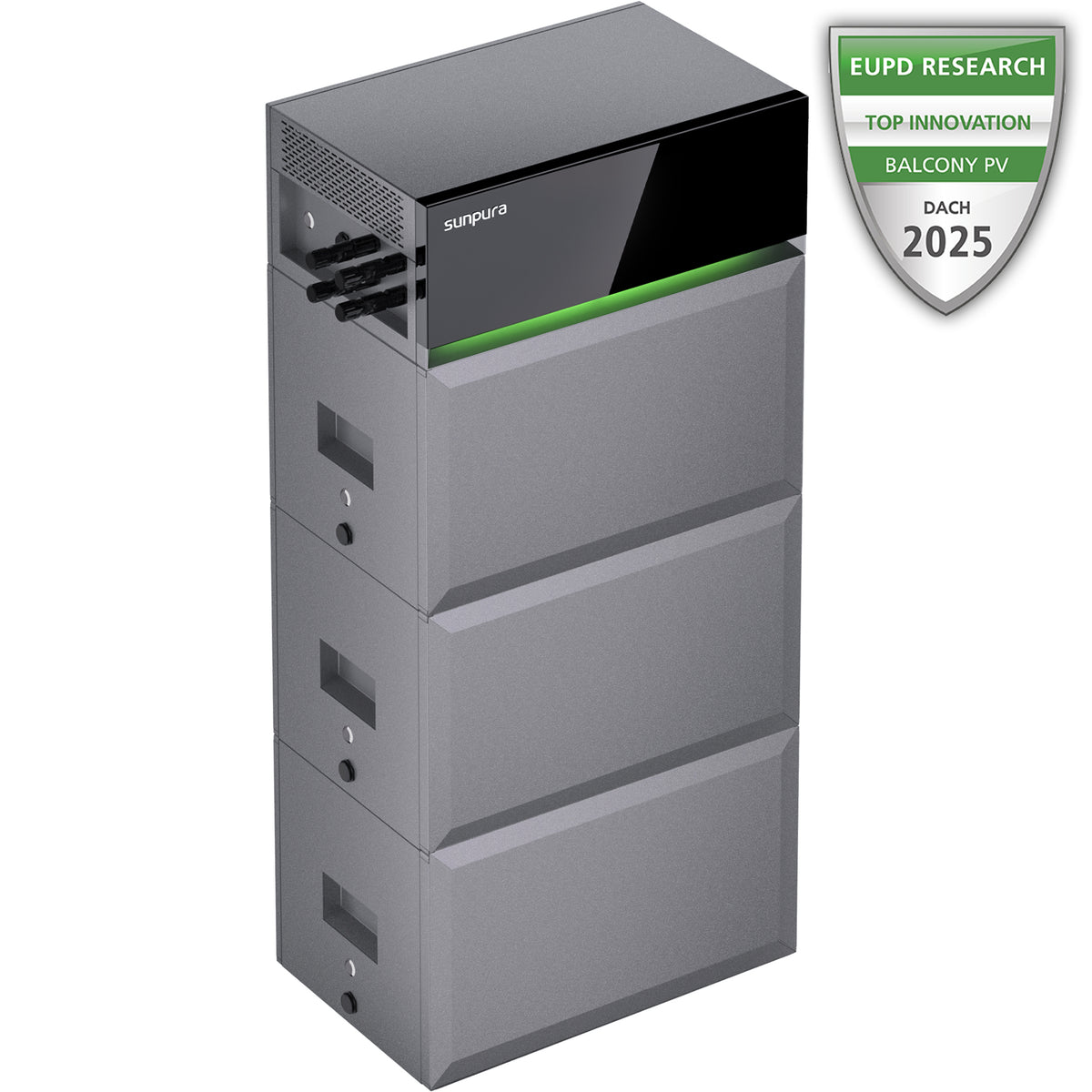


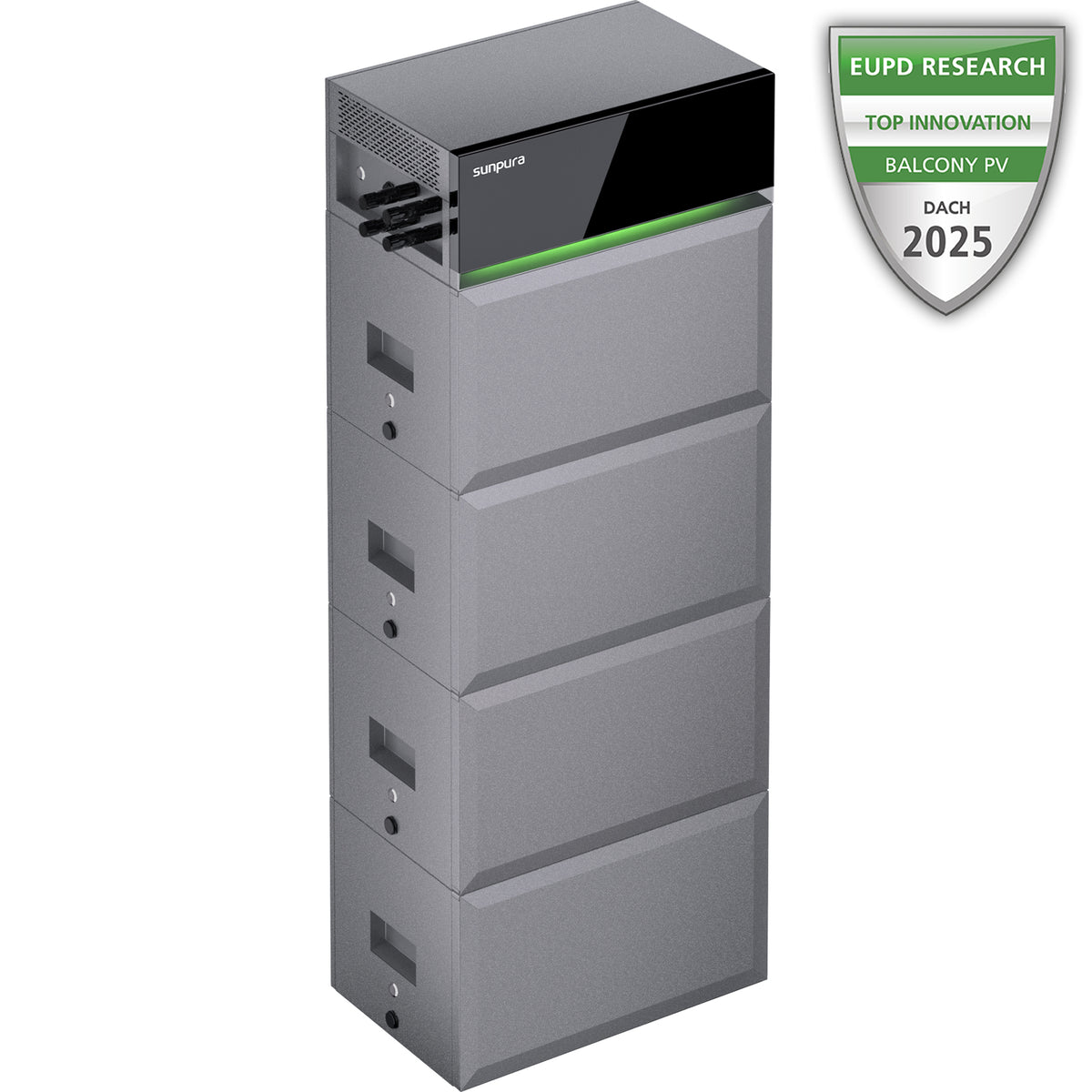

S2400. Battery storage for new and existing solar.
Connect suitable solar panels directly or retrofit AC-coupled battery storage to existing solar. Start with 2.4 kWh and expand storage up to 9.6 kWh per system as needed.
Get more from your solar power.
Store more of the energy you generate, control when you use it and expand your storage as your needs change.


Charge smarter with energy prices.
870+
European supplier price-data sources.
- App & supported metering

More power when you need it.
2,400W
Max. on-grid* · separate off-grid output
* Maximum on-grid power requires a suitable, supported electrical installation and configuration.

A simpler setup.
Suitable connection. Set up with the Sunpura App.

Built for the long term.
8,000cycles
10-year warranty
- LiFePO₄ · IP65
How S2400 fits your solar setup
Connect new solar panels directly or retain your existing PV inverter. Choose your starting point.


System path
Are your solar panels suitable for S2400?
Two independent MPPT inputs: each up to 1,000 Wp, with maximum limits of 16 A and 100 V. Check voltage, current and the total open-circuit voltage (Voc) of your panel configuration, including in cold conditions. Panel wattage alone is not enough.
Check PV input requirements- Direct connection
- Suitable panels → S2400 PV inputs
- No separate PV inverter
- These panels do not require a separate PV inverter between the panels and S2400.
- Check before buying
- PV voltage, current and power · AC connection · local requirements

System path
Keep your solar. Add battery storage.
Your existing solar panels and PV inverter can stay in place. S2400 is added on the AC side.
The PV inputs on S2400 can remain unused for this setup.
- What can stay
- Existing panels + PV inverter
- Gets added
- S2400 on the AC side
- Check before buying
- Supported metering solution · AC connection · planned installation
No direct inverter integration required
For consumption-based control, S2400 uses supported household metering rather than a direct data connection to the PV inverter. The AC connection, metering solution and system topology must still suit the installation.
How much could you save with the S2400?
Explore the potential of solar panels, battery storage and smarter electricity use – or calculate the savings for your own home.
S2400 stores surplus power from your existing solar installation.
Complete PV + S2400 system · includes remaining export income; not all created by the battery.
Complete PV + S2400 system
£1,841.65/ year
Solar PV + S2400 + time-of-use electricity tariff
Example for high electricity use, a sufficiently sized PV array and a suitable tariff. Not an average household or guaranteed saving.
- Use solar directly
- £868.05
- Store solar power
- £461.89
- Charge cheaply, use later
- £260.58
- Remaining export income
- £251.13
- Fees and costs
- £0
Please check values and units. Solar surplus must not exceed generation; night-time use must not exceed annual consumption. No result is shown until corrected.
How your savings are calculated
The complete system is compared with a home without PV or storage: direct solar use + stored solar + tariff benefit + remaining export income − fees. The additional battery benefit compares the same PV array with and without storage. Solar is allocated first; tariff charging uses only the remaining capacity and household demand.
One shared energy balance
Directly connected panels, existing solar and grid charging are tracked separately. Direct PV charges first (max. 2 kWp); available AC power fills the remaining allowance up to 2.4 kW in total. The simplified daily model places both solar sources in the same solar window. Overlapping off-peak hours conservatively fall within that window; grid charging uses only remaining power, daily capacity and demand. Losses, cycles and charging/discharging windows constrain all energy. Maximum power does not guarantee daily charging energy.
Comparison baseline and energy value
Existing solar: additional battery value after lost export income. For Both together, new direct panels are included while the existing roof array remains the baseline. New solar: economic value of the complete new system, including eligible export income. Tariff benefit is avoided expensive imports minus charging costs and losses. Fees are deducted separately. In the Netherlands, the balance follows the selected netting year.
Investment and two payback measures
New solar includes all new solar and storage costs; existing solar includes only additional costs. Simple payback uses long-term reference assumptions, with no Dutch netting from 2027. The cumulative calculation starts on the purchase date and includes netting only through the end of 2026. The period is 15 years with constant energy, prices and entered annual costs. Finance, ageing and replacements are not forecast. The period is not a promise of product lifespan.
Modelled energy
- Use solar directly
- 3215.0 kWh
- Solar charging energy
- 1900.8 kWh
- Solar delivered after storage
- 1710.7 kWh
- Grid charging energy
- 1252.8 kWh
- Grid energy delivered after storage
- 1127.5 kWh
- Remaining exports
- 2511.3 kWh
- Full cycles used
- 365.0
- Direct PV · usable modelled generation
- 1760.0 kWh
- AC solar · generation
- 6000.0 kWh
- Direct PV → battery
- 923.1 kWh
- AC solar → battery
- 977.7 kWh
- Solar energy outside usable limits
- 132.9 kWh
Capacity and payback
The calculation compares 2.4 / 4.8 / 7.2 / 9.6 kWh using usable energy, additional battery benefit and costs. It prioritises the shortest cumulative payback for adding battery storage within 15 years. When the difference is less than 0.05 years, it chooses the smaller capacity. Without an economically positive suggestion, it shows only a capacity example matched to demand.
90% round-trip efficiency is an editable modelling assumption, not a verified S2400 measurement. Losses are deducted before useful delivery.
Illustrative estimate, not guaranteed savings. Results depend on demand, generation, contract, season, losses and total costs.
Up to 2,400 W AC power. 2 × 1,000 Wp direct PV.
As an AC-coupled battery alongside existing solar PV or with panels connected directly: S2400 offers flexible ways to store solar energy and use it at home.
AC power

2,400W
Maximum grid-connected AC output
More than just the base load: with a suitably designed connection and supported configuration, S2400 can deliver stored energy to the home’s electrical system at up to 2,400 W.
- Rated output in standard operation
- 800 W
- Maximum AC input power
- 2,400 W
S2400 can also complement existing solar PV as an AC-coupled battery. The system can charge at up to 2,400 W through its AC input, for example using available solar surplus or suitable charging windows.
Higher grid-connected output requires a suitably designed and supported electrical installation.
PV input

2 × 1,000Wp
Direct solar input through two independent MPPTs
Connect suitable solar panels directly to S2400. Two independent MPPT inputs regulate the connected panel groups separately, which is useful for different orientations such as east and west.
- Maximum PV input voltage
- 100 V
- Maximum input current per MPPT
- 16 A
With up to 100 V input voltage, S2400 allows room for suitable panel configurations. Compatible panels can be combined flexibly without a separate microinverter for the direct PV connection.
Up to 2,000 Wp combined, with a maximum of 1,000 Wp per input. The panel configuration must meet the voltage, current and power limits; check open-circuit voltage in cold conditions too.
Measure your home’s energy flow.
To regulate S2400 according to actual household consumption, the system needs a compatible source of grid import and export data.

Household / grid connection
Measure grid import and export.

Compatible measurement source
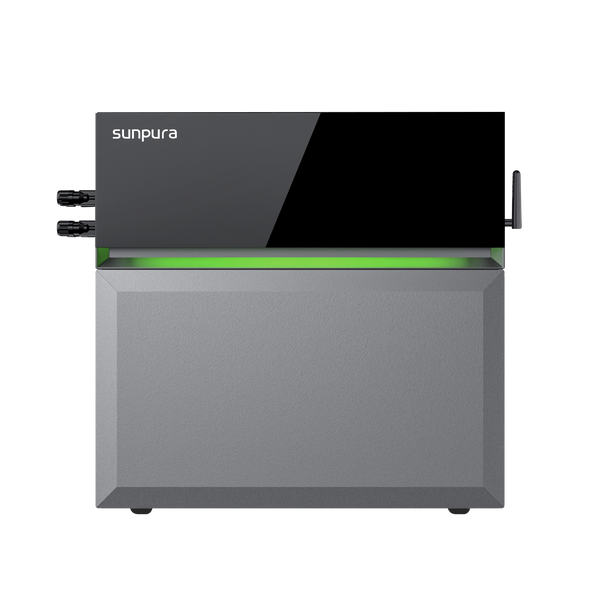
S2400 / EMS
The basis for consumption-led control.
One compatible measurement solution may be enough.
Which measurement route fits your home?

P1 meter reader
For homes with a usable, compatible P1 port on the electricity meter.
Check before buying
Check the meter model, port activation and reliable data transmission.
Dedicated Smart Meter
For homes that need suitable measurement at the distribution board.
Check before buying
Check meter compatibility, phase coverage and installation by a qualified professional.
Compatible third-party devices
Already using a meter or smart-home device? Explore the models supported by Sunpura.
-
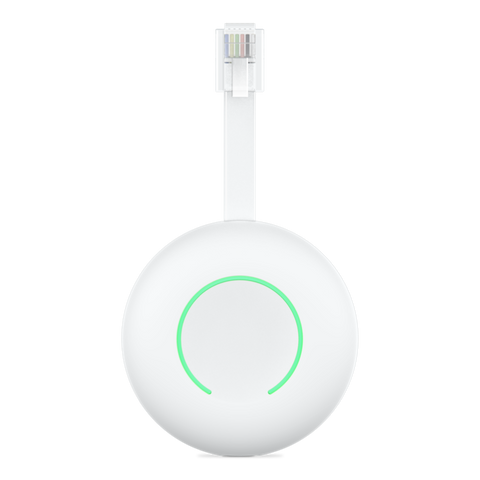
HomeWizard P1 Meter
Meter reader
-
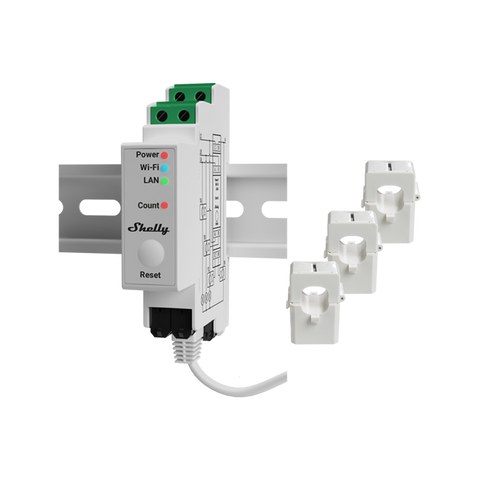
Shelly Pro 3EM
Energy meter
-

Shelly 3EM
Energy meter
-
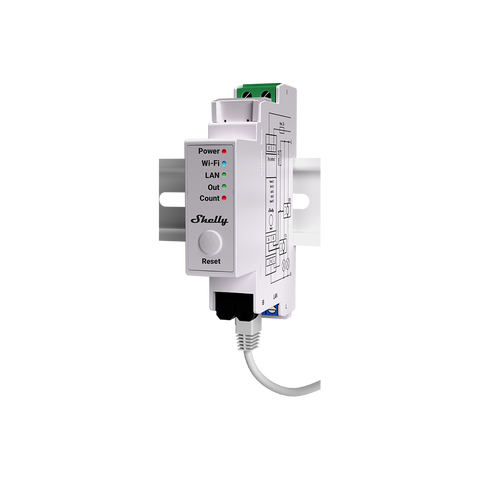
Shelly Pro EM-50
Energy meter
-
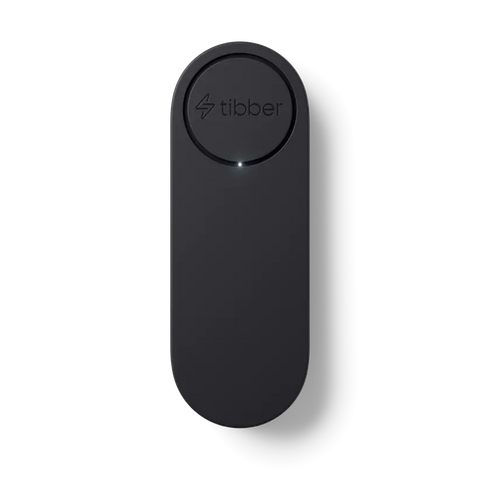
Tibber Pulse
Meter reader
-
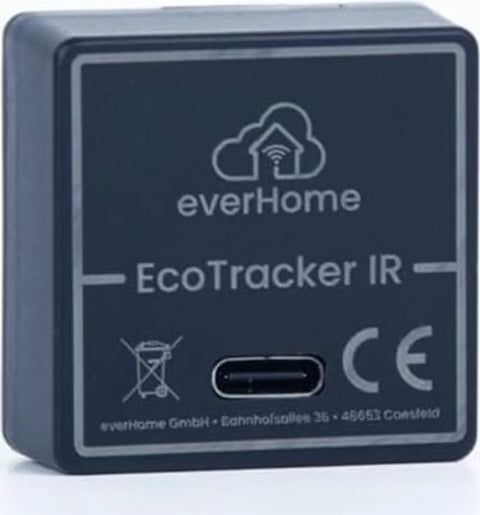
everHome EcoTracker IR/P1
Meter reader
-
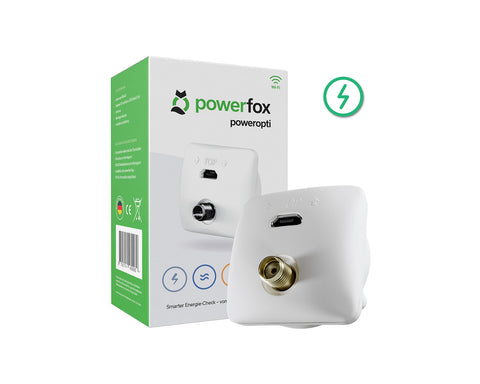
Powerfox Poweropti
Meter reader
-
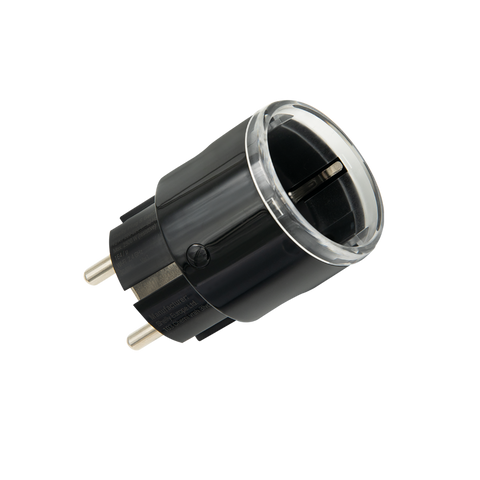
Shelly Plug Gen3
Smart plug
-
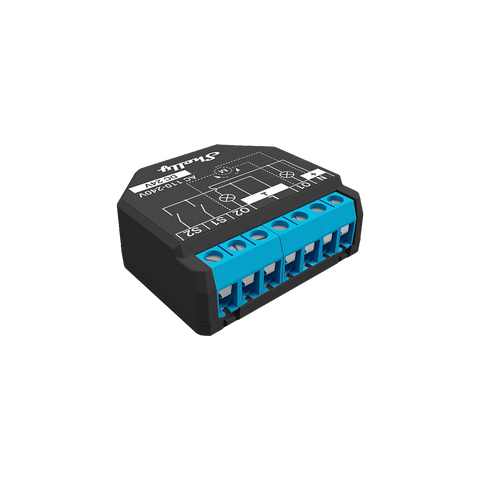
Shelly Plus 2PM
Smart control
-
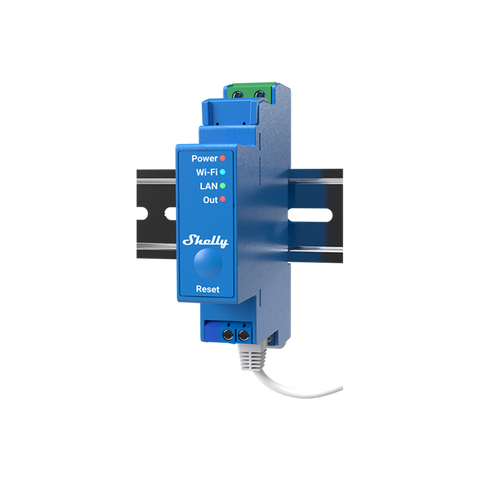
Shelly Pro 1
Smart control
-
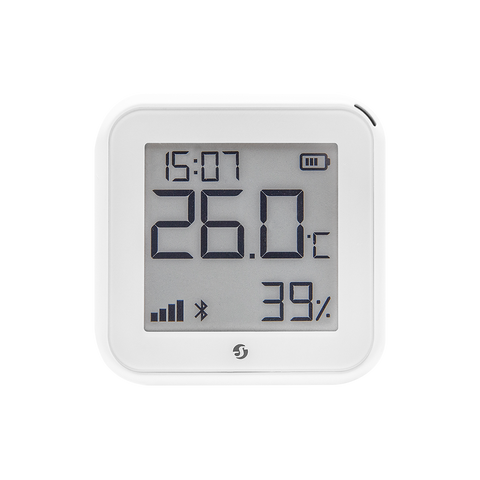
Shelly H&T Gen3
Sensor

Available functions depend on the model, firmware and integration version. Control devices and sensors do not replace whole-home measurement.
Usable without household metering
Without compatible household measurement, S2400 can still charge directly from PV, use its separate off-grid output or run supported schedules. Accurate automatic control based on the whole home’s net energy flow is then limited.
Measuring three phases ≠ supplying three phases
Measuring the whole home does not mean a single S2400 supplies all three phases simultaneously.
Smart Plug: for an individual appliance
Smart plugs serve individual appliances. They do not replace whole-home grid import and export measurement.
Your supplier’s smart meter is not automatically a data source for S2400. Check a compatible household measurement source and its connection to the system; a suitable Smart Meter or CT solution may be needed.
Useful energy data. Control your way.
Use more of your own solar energy, choose low-cost charging times or enable supported automation: the Sunpura App lets you decide when and how your battery charges and discharges.
Self-Consumption
Use more of your own solar energy.
With compatible household measurements, Self-Consumption mode adjusts charging and discharging to your home’s current net demand. This lets you use available solar surplus at home later.
- For use
- A compatible source of household import and export measurements.
- Good to know
- Control is limited by state of charge, power, installation and measurement quality. Zero export is not guaranteed.

Your schedule
Charge when electricity costs less.
Set your own charging and discharging times, for example to charge during cheaper tariff periods and use the energy later. Configure supported power and state-of-charge (SOC) limits in the app.
- For use
- A supported schedule can also be used without available household measurement data.
- Good to know
- The schedule follows your settings, rather than automatically following current electricity prices or your whole home’s real-time net demand.

AI Smart
Charge more intelligently with data.
AI Smart can use compatible household measurements, PV and weather forecasts, state of charge and supported electricity price data to plan charging and discharging.
- For use
- Compatible household measurements, suitable data sources and supported app, firmware and service versions.
- Good to know
- Your SOC and power limits still apply. Not every tariff is connected, and savings are not guaranteed.

Smart Plug
Bring individual appliances into the system.
With a compatible Smart Plug, you can see a connected appliance’s consumption and use supported switching functions. This lets you include a selected load in your energy management.
- For use
- A compatible, correctly paired Smart Plug; the appliance must stay within the plug’s electrical ratings.
- Good to know
- Optional accessory. It does not replace whole-home import and export measurement.

Use time-of-use tariffs. Take more control of energy costs.
Store surplus solar for later and make use of cheaper charging periods. With a suitable tariff and supported controls, S2400 can supply stored energy when your household needs it.
Electricity price over the day
Illustrative day: charge during a cheaper period, then use stored energy in the home later. The time windows are examples only.
Lower priceCharge at lower prices
Higher priceUse stored energy
Price patternCharging periodUsage period
Plan automatically
AI Smart uses available price, weather and energy data to plan the charging and discharging strategy.
Set your own schedule
With a custom schedule, you set supported charging and discharging times, power and SOC limits yourself.
More than a battery. A connected energy system.
Sunpura brings energy storage, intelligent home energy management and supported smart-home integrations together, giving you more control and flexibility at home.

Connect with Home Assistant.
Sunpura’s own HA-EMS integration brings energy data and supported controls into your existing Home Assistant environment.
- Cloud Mode
- Connect through your Sunpura app account.
- Local Mode
- Direct local TCP communication without cloud login.
Available functions depend on the model, firmware and integration version.
Download the guide & integrationConnections that suit your home.
Metering & accessories
Collect suitable household data and bring individual appliances into your energy management.
Sunpura P1 Reader · Smart Meter · Smart Plug
Smart home
Connect supported energy functions with your existing home automation.
Home Assistant · everHome
Connected loads
Include hot water, EV charging and electric heating through supported ecosystem connections.
Check compatibility for the device, version and connection method.
Explore compatible metering devicesStorage that grows with your needs.
Start with the capacity you need today. Add battery modules or complete S2400 systems later, as your energy needs change.
More storage. The same Power Box.
2.4–9.6kWh
Expand your S2400 storage capacity step by step with additional B2400 battery modules. Keep your existing A2400 Power Box and invest only in the extra capacity you need.
1 × A2400 Power Box
1–4 × B2400 battery modules
Adding battery capacity does not automatically increase Power Box output power.
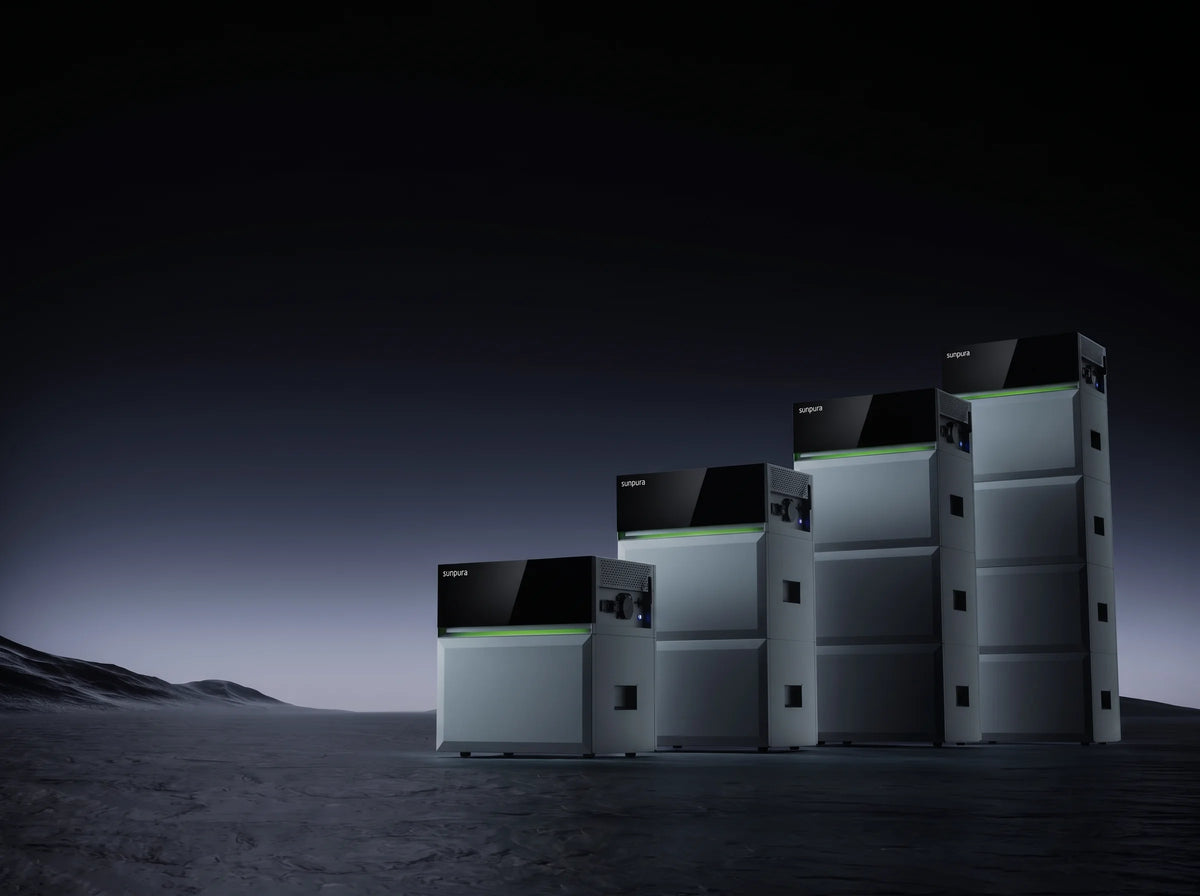
Three systems. Wirelessly coordinated.
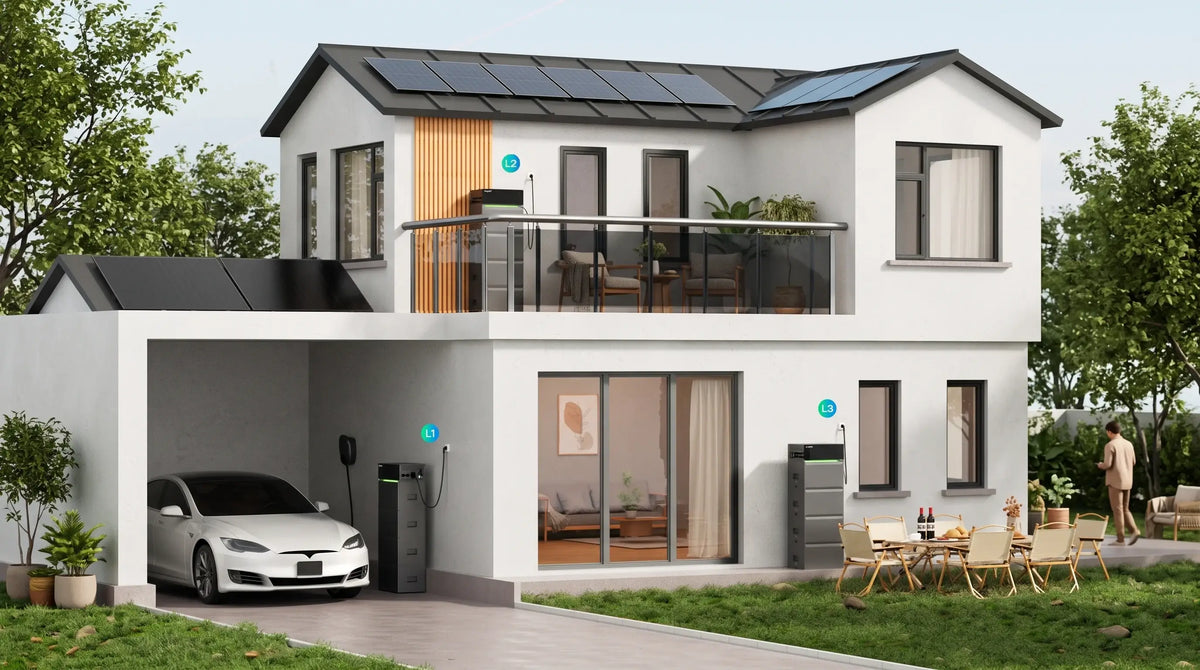
Up to 3 S2400 systems
Up to28.8kWh
Up to 7.2 kW system power
Up to three complete S2400 systems can coordinate over the same Wi-Fi network. Expand not only your storage capacity, but also the available system power as your household energy needs grow.
Requires supported firmware, compatible measurement data and a suitable electrical installation.
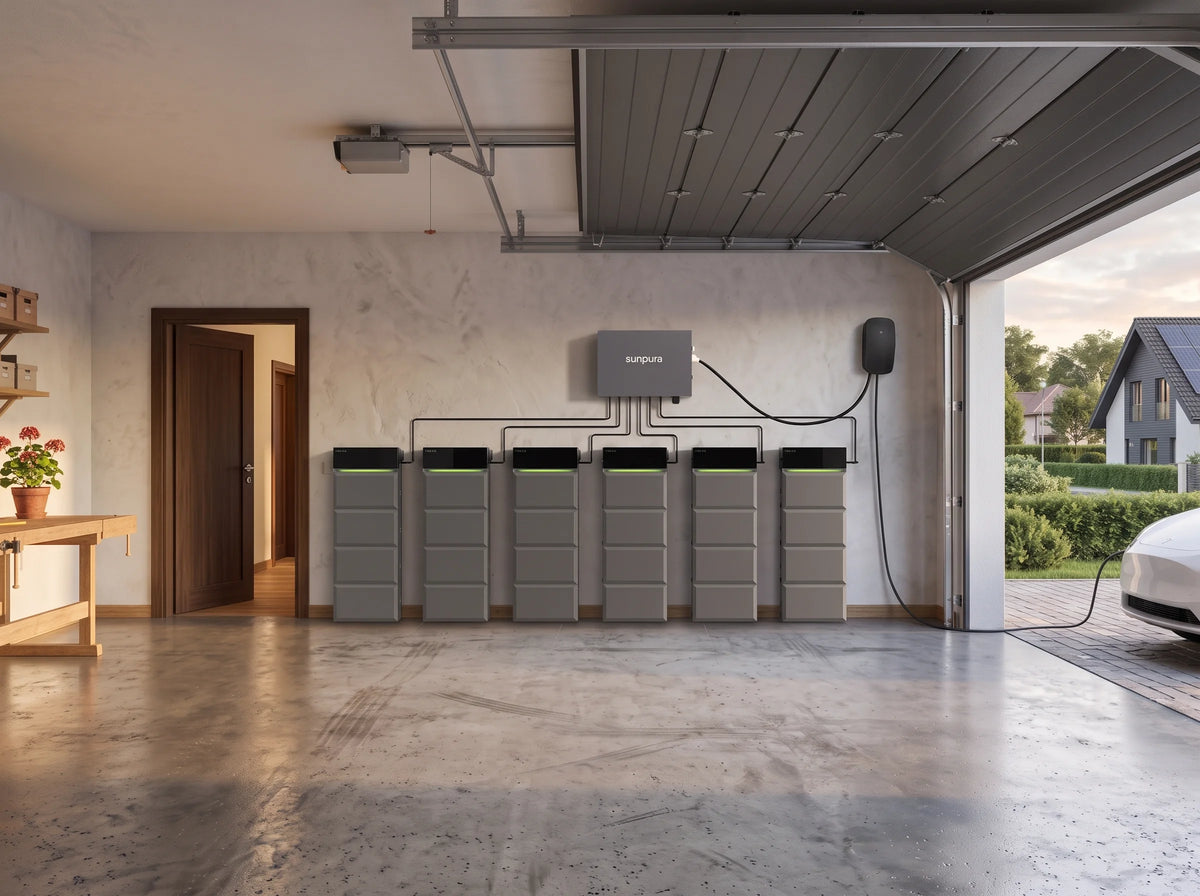
Scale further. With Parallel Box.
Up to 6 S2400 systems
Up to57.6kWh
Up to 14.4 kW system power
With a compatible Parallel Box, your storage setup can expand to as many as six complete S2400 systems, providing greater storage capacity and available system power for growing energy needs.
Requires a compatible Parallel Box, a supported system configuration and professional installation.
Power cut? Keep power available for the essentials.
The S2400's dedicated off-grid output can supply suitable connected devices with stored energy – such as a router, lights or laptop.

- Maximum off-grid output
- Up to2,400 W
- Peak output · up to 5 seconds
- 3,600 W
Built for safety. Designed to last.
LiFePO₄ cells, integrated protection and a defined operating range provide the foundations for long-term use of S2400.
Battery Life

8,000 cycles
70% remaining capacity (SOH) · tested at 1.0C
LiFePO₄ cells provide the foundation for long-term use. S2400 is designed for 8,000 cycles under the stated test conditions.
Built-in Protection

Multiple layers of protection.
The battery management system (BMS) monitors key battery parameters. Built-in protection covers overvoltage, overcurrent, short circuits and temperature-related conditions. An aerosol protection component adds to these safeguards.
Environmental Protection

IP65-rated protection.
S2400 is protected against dust and water to IP65. Its specified operating temperature range is −20°C to 55°C.
Install in accordance with the installation manual.
10-year warranty. Support beyond the sale.
Your S2400 comes with product warranty coverage, backed by technical support and a professional service team when you need help.
10 years
Product warranty
Subject to the applicable warranty terms.
Local technical support and repair services
Repair and technical support from Sunpura. Available services depend on your location and the support required.
Support from an experienced service team
For technical questions about your S2400 and help after purchase.
See the S2400 in practice.
Watch three videos from external creators sharing their impressions of the S2400, and judge for yourself.
Video languages: English · German


How is the S2400 set up?
See the main steps, from positioning and connecting the S2400 to setting it up in the Sunpura app.

Connection and installation requirements depend on your existing solar system and chosen configuration.
View installation guideWhat's included with your S2400?
Your S2400 system combines one A2400 Power Box with the B2400 battery modules for your chosen capacity. Here are the matching components and included accessories.
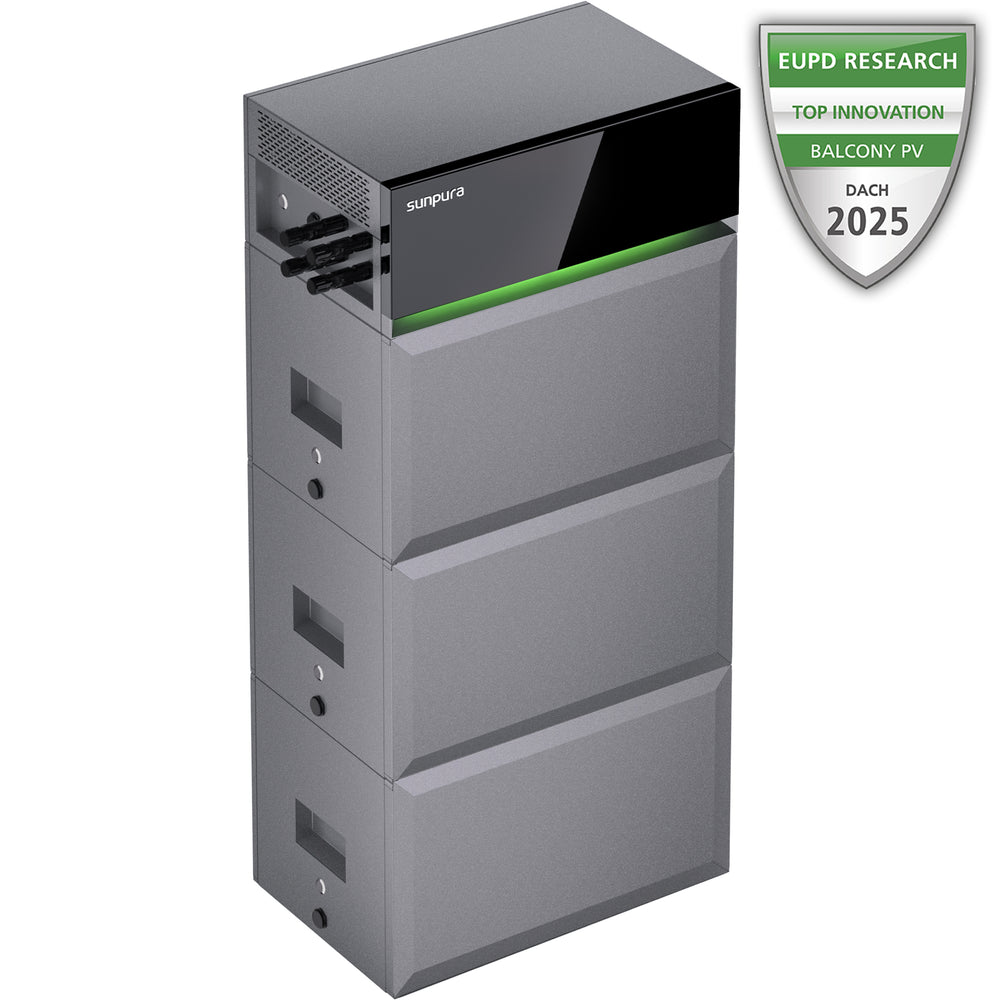
Your selected configuration
7.2kWh
- A2400
- 1 ×
- B2400
- 3 ×
Solar panels, meters and promotional extras depend on your chosen offer. This overview shows the battery system’s standard contents.
The standard European version includes an EU plug. Before ordering for the UK, check the connection version and cable supplied with your specific offer.
Cable & mounting accessories
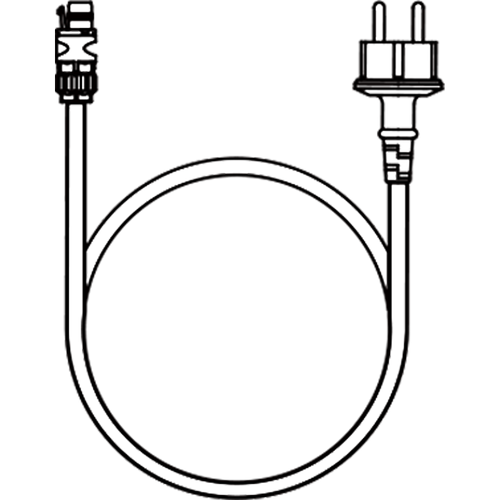
AC connection cable · 5 m
1 ×
In the A2400 package.
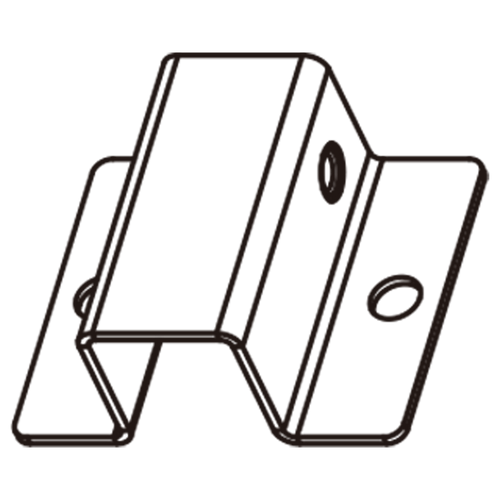
Mounting blocks · A2400
2 ×
In the A2400 package.
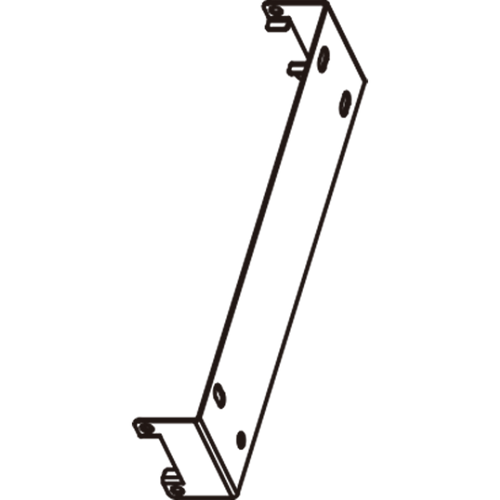
Mounting bracket · B2400
3 ×
1 per B2400 package.
Product documents
In the A2400 package.
View further mounting accessories
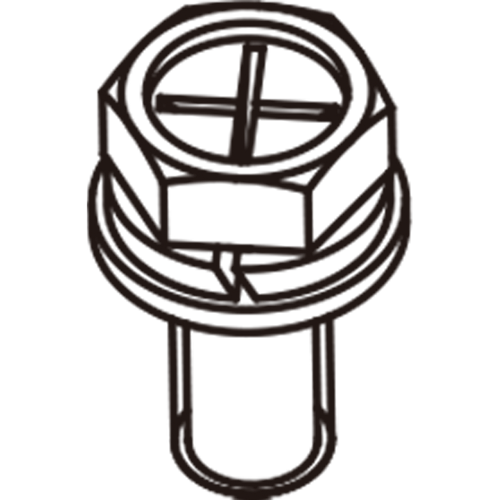
M5 × 12 screws
36 ×
6 in the A2400 package and 10 per B2400 package.
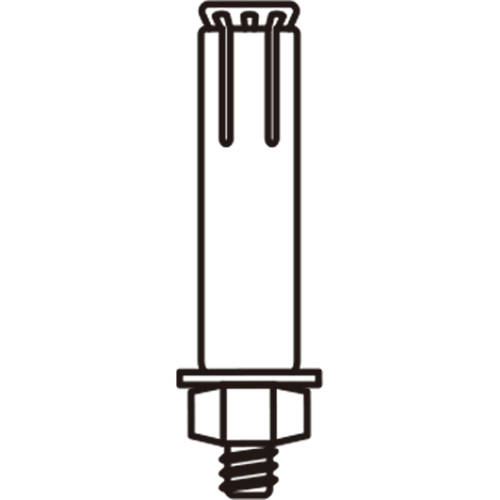
M8 × 80 fixing screws
6 ×
2 per B2400 package.
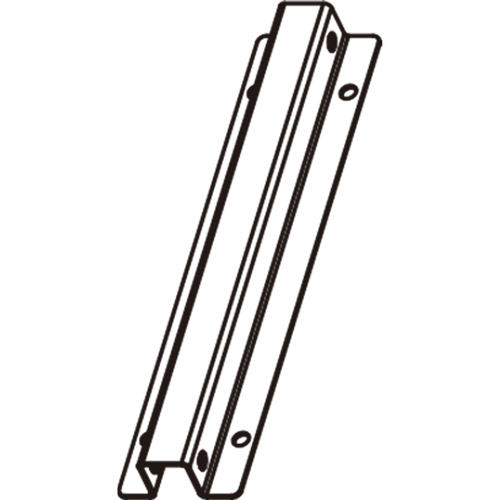
Mounting blocks · B2400
6 ×
2 per B2400 package.
Quantities follow the bill of materials: one A2400 package plus your selected number of B2400 packages. Install according to the manual.
Technical specifications
Power, solar inputs, battery and dimensions: the key S2400 technical data in one place.
Power & connection
Source · PDF · Power & connection · opens in a new tab- AC output · rated
- 800 W
- Rated grid-connected output.
- AC output · maximum
- 2,400 W
- Subject to supported installation and configuration.
- AC input · maximum
- 2,400 W
- Maximum AC charging power.
- Separate off-grid output
- 2,400 W
- For devices connected to this separate output.
- Short-duration peak power
- 3,600 W · up to 5 seconds
- At the off-grid output.
- AC connection
- L + N + PE · 220/230 V · 50 Hz
- Connection to one phase.
Solar input & MPPT
Source · PDF · Solar input & MPPT · opens in a new tab- PV inputs
- 2 independent MPPTs
- Up to 1,000 Wp, 100 V and 16 A per input.
- PV power · maximum
- 2 × 1,000 Wp
- Limit applies to each input.
- PV input current · maximum
- 2 × 16 A
- Maximum 16 A per input.
- PV operating voltage
- 10–100 V
- Operating range.
- PV input voltage · maximum
- 100 V
- Check open-circuit voltage in cold conditions too.
Battery & expansion
Source · PDF · Battery & expansion · opens in a new tab- System capacity
- 2.4–9.6 kWh
- Nominal energy per S2400 system.
- Nominal energy per B2400
- 2.4 kWh
- 1–4 compatible B2400 modules per system.
- Battery
- LiFePO₄
- Lithium iron phosphate.
- Battery nominal voltage
- 48 V
- Battery-side value.
- Charge/discharge current · maximum
- 50 A
- Battery-side value.
- Cycle life
- 8,000 charge cycles
- To 70 % SOH at 1.0 C under the stated test conditions.
- Depth of discharge
- 90 % DoD
- As specified in the datasheet.
Dimensions & operation
Source · PDF · Dimensions & operation · opens in a new tab- Dimensions · W × H × D
- 450 × 430 × 285 mm
- 1 × A2400 + 1 × B2400.
- Module weight
- A2400: 14.3 kg · B2400: 27.6 kg ±3 %
- Per module.
- Operating temperature
- −20 °C to 55 °C
- Installation and operation as described in the manual.
- Ingress protection
- IP65
- Follow the manual’s location requirements.
- Communication
- Wi-Fi / Bluetooth
- Supported functions depend on configuration.
- Protection functions
- Overvoltage / overcurrent / short circuit / temperature
- Integrated monitoring.
Manuals & downloads
User manual, datasheet, installation guide and warranty terms: available directly as PDFs.
- User manualSetup, operation and important safety information.Open PDF · opens in a new tab
- Technical datasheetPower, PV inputs, battery and dimensions.Open PDF · opens in a new tab
- Installation guideAssembly, connection and commissioning.Open PDF · opens in a new tab
- Warranty termsWarranty coverage and applicable conditions.Open PDF · opens in a new tab
Frequently asked questions about S2400
Answers on connection, solar retrofit, control and expansion.
Connection & solar retrofit
Can I add S2400 to my existing solar PV system?
Yes. Depending on your system layout, S2400 can be AC-coupled with existing solar PV. New panels on the direct PV inputs are not always required. The connection, household metering and control arrangement need to suit your installation.
What electrical connection does S2400 need in the UK?
The rated grid-connected AC output is 800 W. The technical maximum of 2,400 W requires a supported installation and configuration. Have a qualified installer confirm the appropriate connection and applicable UK requirements; the maximum rating is not permission to use any domestic socket.
When do I need a qualified electrician?
Work on fixed electrical wiring, the distribution board or electrical metering equipment must be carried out by a qualified electrician. The work required depends on your system layout.
Can I use S2400 in a three-phase home?
Yes. One S2400 connects to one phase. A suitable metering solution can measure consumption across the whole household. Measuring three phases does not mean one S2400 supplies all three phases simultaneously.
Storage & control
Do I need a smart meter for S2400?
Not for every operating mode. Direct PV charging and supported schedules can work without household metering. Automatic charge and discharge control based on household import and export requires a compatible measurement source. Your supplier’s smart meter is not automatically a data source for S2400.
How far can I expand my S2400 battery storage?
One S2400 system can expand from 2.4 to 9.6 kWh using compatible B2400 battery modules. Extra modules increase storage capacity, not automatically the output power. Larger installations require separate planning of systems, phases and electrical connection.
Which solar panels suit the direct PV inputs?
S2400 has two independent MPPT inputs, each supporting up to 1,000 Wp, 16 A and 100 V input voltage. The voltage and current of your panel configuration must stay within the limits of each input.
Can I charge during cheaper time-of-use tariff periods?
Yes. Supported schedules let you set charging and discharging times, including suitable overnight periods. Further automatic strategies depend on available tariff data, app functions and configuration. Check the prices and conditions of your own tariff.
Everyday use
Can S2400 power devices during a power cut?
Yes. Suitable devices connected directly to the separate off-grid output can use stored energy. The output provides up to 2,400 W and a short-duration peak of 3,600 W for up to 5 seconds. This is not automatic backup for the whole house.
Can I install S2400 outdoors?
S2400 has an IP65 rating and is designed for the installation conditions described in the manual. Choose a location that meets the operating requirements, provides sufficient ventilation and follows the installation instructions.